
Uncategorized
Dubai-Based Broker Kamil Magomedov Completes Record Sale of Three Entire Buildings in Under Seven Hours Amid Escalating Demand at Expo City


Kamil Magomedov, a premier real estate investment brokerage and advisory firm headquartered in Dubai, has achieved an exceptional milestone by selling three complete residential buildings within a mere seven hours at Expo City, Dubai’s emerging real estate epicenter. This unprecedented transaction highlights Expo City’s rapid ascent as a globally recognized hotspot for strategic real estate investment.
Expo City is positioned to evolve into Dubai’s newest World Trade Center district by 2026, already capturing significant interest from international investors. Projected to attract an annual footfall exceeding 2.5 million visitors and host over 300 high-profile events per year, Expo City represents an extraordinary and timely investment opportunity. By 2032, planned expansions are expected to boost annual visitor numbers to over 6 million across more than 600 events annually.
“Expo City is experiencing remarkable growth, rapidly becoming one of the world’s most compelling destinations for property investors. The intersection of unprecedented demand with constrained supply conditions has fostered a highly attractive market environment, generating robust rental yields for investors,” remarked Kamil Magomedov, a distinguished real estate investment advisor specializing in premium investment opportunities and branded residential developments across Dubai.
Currently, Expo City’s residential offerings total approximately 1,100 units distributed across the Al-Waha Residences, Mangroove Residences, and the Rove Hotel. With Sky Residences and Sidr Residences expected to deliver an additional 1,000 units by 2028, the total stock will reach only around 2,100 units—significantly below the projected requirement. Beginning in 2026, Expo City will necessitate at least 4,000 residential units to adequately accommodate between 8,000 and 10,000 event attendees. This substantial gap between supply and demand presents investors with rental yields projected at an attractive 13-16%, markedly surpassing the market average.
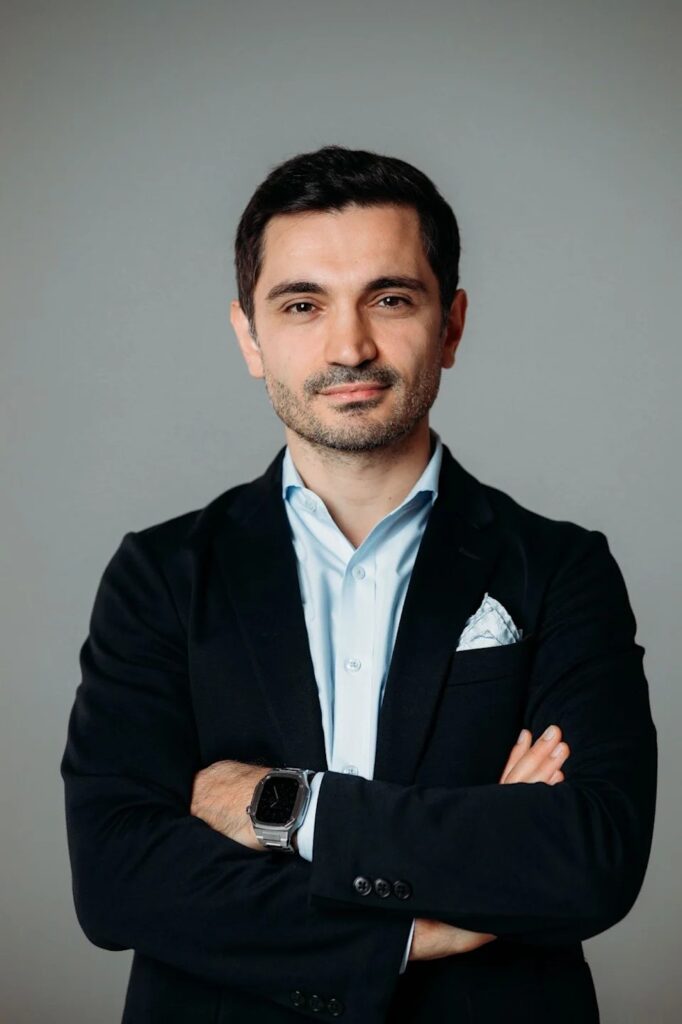
The recently unveiled Al-Waha Residences, characterized by boutique-style, low-rise buildings (G+1, G+2) comprising between 10 to 50 units each, have rapidly become a preferred asset class among discerning investors. The strategic opportunity to acquire entire buildings for conversion into short-term rental properties near Dubai’s future central business district has accelerated sales velocity. Notably, entire buildings are being purchased faster than individual units, reflecting a robust investor appetite for flexible, high-yield assets.
Expo City’s advanced infrastructure, prime location, and the impending relocation of Dubai World Trade Center operations to this district have significantly enhanced its attractiveness as a global investment magnet. The compelling blend of limited housing supply, surging demand, and ongoing infrastructure improvements positions Expo City as an exceptional high-growth investment opportunity.
To further guide potential investors, Kamil Magomedov has launched an informative video series on his YouTube channel, offering expert insights and in-depth analyses on Dubai’s real estate market dynamics. His latest video thoroughly examines the strategic advantages and economic rationale behind investing in Expo City.
Kamil Magomedov is a renowned real estate investment specialist affiliated with Provident Real Estate, a distinguished Tier 1 brokerage firm in the Middle East. With an extensive professional background in investment strategy, urban development, and governmental advisory roles, Kamil consistently identifies emerging high-growth real estate investments ahead of market trends. His previous roles include serving as CEO of a prominent investment group, strategic advisor to the CEO of Forbes Russia, and Minister of Investment in a key Russian region. He also contributed significantly to developing the master plan and growth strategy for a new urban area in Russia’s Far East.
Investors interested in capitalizing on Expo City’s unparalleled growth trajectory are encouraged to act promptly. For immediate assistance in securing strategic real estate assets within Dubai’s most promising investment destination, contact Kamil Magomedov today.
Media Contact:
Kamil Magomedov
Provident Real Estate
Phone: +971501610143
YouTube: Kamil Magomedov Real Estate
Instagram: @kamilmagrealestate
Email: [email protected]
The post Dubai-Based Broker Kamil Magomedov Completes Record Sale of Three Entire Buildings in Under Seven Hours Amid Escalating Demand at Expo City appeared first on Pinion Newswire.
Uncategorized
New Market Trading Brings Institutional-Grade Account Security to Every Client, Standard
Florida, USA, October 23, 2026Every New Market Trading account now carries the same layered security used by major exchanges and institutional custodians, without the client ever losing final say over their own money.
Every New Market Trading account now carries the same layered security used by major exchanges and institutional custodians, without the client ever losing final say over their own money.
Florida, USA, October 23, 2026
New Market Trading, an onchain wealth management firm that gives clients direct ownership of their investment accounts, today announced a 2-of-3 multisig upgrade for client accounts, a security model that requires two of three keys to approve before money can move.

Multisig has long been the standard among exchanges, hedge funds, and institutional custodians entrusted with large pools of client assets. NMT is now bringing that same standard of protection to every one of their client accounts.
The update applies to existing client accounts automatically. Nothing needs to be moved or rebuilt, and clients don’t need any technical background to benefit from it.
How It Works
Every client account now has three keys: one the client holds directly, one held by the client’s NMT associate, and one backup key controlled entirely by the client, which NMT recommends keeping on a separate physical device. Moving money out of the account, or changing who holds the keys, requires approval from two of the three. Since the client holds two of the three keys, they can always act on their own account without needing NMT’s approval.
“Multisig protection has always been available to institutions with the resources to build it themselves. We don’t think our clients should get a lesser version of that security just because they’re managing their own account instead of a fund. This is now built into every account we offer, not something a client has to ask for,” said Frank Hepworth, Founder and CEO of New Market Trading.
Previously, a client’s account was protected by a single key. If that one key was ever lost or stolen, there was no built-in backup. Now, if a key is lost or compromised, the other two can replace it without freezing or moving any of the client’s assets.
Built for Every Client
Setting up this kind of protection typically requires the in-house engineering team of a large exchange or custodian. NMT built it directly into its account technology so any client can benefit from it, without needing any technical setup of their own.
The extra approval step only applies to money leaving the account or changes to who holds the keys. Everyday portfolio activity, like adjusting investments within an approved strategy, still happens automatically and doesn’t require a second approval each time. NMT designed it this way on purpose: stronger protection at the one moment that matters most, money leaving the account, without slowing down everyday management.
“We built this directly into the account itself, not as a setting in our own backend. The two-key requirement is enforced automatically, every time, which means it holds even if something on our end ever went wrong,” said Ajdin Kahrović, Chief Technology Officer of New Market Trading.
Three Ways to Use It
The three keys can be combined in different ways depending on what a client needs:
- The client’s key and their backup key together let the client act completely on their own, including replacing their NMT associate, without needing anyone else’s approval.
- The client’s key and their Associate’s key can individually conduct everyday management activity.
- The backup key and the associate’s key together keep the account moving if the client’s primary key is ever temporarily unavailable.
No single key, including NMT’s, can withdraw or change account ownership on its own.
It guards against a single lost or stolen key, but not against every scenario, such as two of the three keys being compromised at once, a client approving something they shouldn’t have, or a flaw in the underlying smart contract or blockchain network the account runs on. NMT recommends clients store their backup key’s recovery information somewhere separate from their main key’s.
The upgrade is available now to existing NMT clients and applies automatically, with no action required to move or migrate assets.
For more information about New Market Trading’s account model, visit newmarkettrading.com.
About New Market Trading
New Market Trading is the first wealth management firm to move the investment account itself onto the blockchain. Clients own their account directly using ERC-4337 smart account technology, and delegate trading management to the NMT team, who can execute strategies but never withdraw or redirect funds.
That structure gives clients immediate access to more than 10,000 onchain assets, yield products, and active strategies that no legacy provider can offer.
Media Contact Details
Jamie Kingsley
Email: Send Email
Uncategorized
Scenthound Bountiful Shares Fall Grooming Guidance for Local Dog Owners
BOUNTIFUL, UtahLocal dog hygiene center highlights seasonal shedding, coat maintenance, nail care and routine grooming as autumn weather arrives.
Local dog hygiene center highlights seasonal shedding, coat maintenance, nail care and routine grooming as autumn weather arrives.
BOUNTIFUL, Utah
Scenthound Bountiful, a dog hygiene and wellness center owned by Mike Solosko, is highlighting the importance of regular grooming as pet owners prepare their dogs for changing autumn conditions. The center, located at 2196 S. Orchard Drive, Suite 65, provides routine hygiene and coat care services for dogs in Bountiful and surrounding communities, including North Salt Lake. As trusted dog groomers Bountiful pet owners can turn to for routine hygiene, the center focuses on helping dogs stay clean and comfortable throughout the year.

As temperatures change and seasonal shedding increases in some breeds, regular grooming can help pet owners manage loose hair, prevent matting and identify changes in their dogs’ skin and coats.
The American Kennel Club notes that many dogs experience increased shedding during spring and fall, although shedding patterns vary according to breed, coat type and environmental conditions.
Addressing Seasonal Shedding and Coat Maintenance
During autumn, some dogs shed portions of their lighter coats as their bodies adjust to seasonal changes. Dogs with thicker or double-layered coats may require additional brushing to remove loose undercoat and prevent tangling.

Scenthound Bountiful offers shedding treatments designed to remove loose hair and support routine coat maintenance. The center also provides bathing and brush-out services that can be selected according to each dog’s grooming requirements.
Regular brushing can help distribute natural oils throughout the coat while removing dirt, debris and loose hair. Grooming frequency varies, and dogs with longer or denser coats may need more frequent attention during periods of heavier shedding.
Supporting Routine Hygiene During Autumn
Seasonal conditions can introduce additional grooming considerations. Outdoor walks may expose dogs to wet leaves, mud and other debris that can collect in their fur or between paw pads.

Dogs may also experience skin dryness or irritation for various reasons, making regular observation of their skin and coat an important part of routine care.
Scenthound focuses on five core areas of canine hygiene: skin, coat, ears, nails and teeth.
Its basic hygiene services include bathing, ear cleaning, nail trimming and teeth brushing. Additional grooming and coat treatments are available according to individual needs. For pet owners searching for dog barbers Bountiful, the center provides routine hygiene and coat-care services tailored to individual dogs.
The center encourages owners to pay attention to changes in their dogs’ coats, excessive scratching, unusual shedding and other visible concerns. Persistent skin irritation, abnormal hair loss or suspected infections should be evaluated by a veterinarian.
Encouraging Consistent Grooming Habits
“Fall is a great time to start a regular grooming routine. Our Bountiful team loves helping local dogs feel clean and comfortable, and we welcome pet parents from North Salt Lake City, too,” said Mike Solosko, owner of Scenthound Bountiful.
The center emphasizes consistency in routine hygiene rather than relying exclusively on occasional grooming appointments.
For dogs with longer coats, regular brushing can help reduce tangles and matting. Nail trimming is another important consideration, as overgrown nails may affect comfort and mobility.
Individual grooming schedules should account for breed characteristics, coat length, activity level and specific hygiene needs.
Serving Bountiful and Nearby Communities
Scenthound Bountiful provides routine dog hygiene services to pet owners throughout the surrounding area, including North Salt Lake.
Its services include bathing, shedding treatments, nail care, ear cleaning, teeth brushing and additional coat-maintenance options. The business also offers monthly hygiene memberships for owners seeking recurring care.
Pet owners can obtain information about the center’s services and appointment options through its official website.
About Scenthound Bountiful
Scenthound Bountiful is a dog hygiene and wellness center located at 2196 S. Orchard Drive, Suite 65, Bountiful, UT 84010. Owned by Mike Solosko, the center focuses on routine dog hygiene, including skin and coat maintenance, ear cleaning, nail trimming and teeth brushing.
Website: https://www.scenthound.com/bountiful
Media Contact Details
Scenthound Bountiful Team
Email: Send Email
Uncategorized
CZUR StarryHub Announces New Website to Showcase Its Meeting Hub Solutions
New York USACZUR, a technology company specializing in smart office solutions, has announced the launch of its dedicated StarryHub website, providing a central resource for businesses exploring its meeting-room collaboration technology. The website introduces the StarryHub Core Series, a range of meeting hubs designed to simplify video conferencing, wireless content sharing, and hybrid collaboration. Visitors can explore […]
New York USA
CZUR, a technology company specializing in smart office solutions, has announced the launch of its dedicated StarryHub website, providing a central resource for businesses exploring its meeting-room collaboration technology.
The website introduces the StarryHub Core Series, a range of meeting hubs designed to simplify video conferencing, wireless content sharing, and hybrid collaboration. Visitors can explore product capabilities, compare available models, review technical specifications, and access official information to evaluate solutions for meeting spaces of different sizes.

Addressing Common Meeting-Room Challenges
As organizations continue to support in-person and remote collaboration, meeting-room technology often involves multiple devices, complicated connections, and varying audio and video requirements.
Traditional setups may require separate cameras, microphones, speakers, computers, and display equipment, creating additional installation and management considerations for IT teams.
The StarryHub Core Series addresses these challenges by combining essential conferencing components into a single meeting hub. Designed to connect with an existing HDMI-compatible television, monitor, or projector, the system allows businesses to upgrade their meeting rooms without necessarily replacing their current display equipment.
Introducing the StarryHub Core Series
The StarryHub Core Series integrates video conferencing cameras, microphones, speakers, wireless screen sharing, and meeting software into compact meeting-room devices.
Powered by the built-in StarryOS 6.0 operating system, the hubs support conferencing applications including Zoom, Microsoft Teams, and Google Meet. Users can launch and manage supported meetings directly through the device or connect their computers when needed.
The series offers two primary operating modes:
Host Mode: Enables users to conduct meetings through the hub’s built-in operating system without requiring a dedicated computer. This approach can simplify routine conferencing and reduce dependence on separate room PCs.

Bring Your Own Meeting (BYOM) Mode: Allows participants to connect a compatible laptop and use the hub’s conferencing peripherals with their preferred meeting software. This provides flexibility for organizations using different collaboration platforms.
Both modes require an external HDMI-compatible display to present meeting content to participants.
The Core Series includes three models designed for different meeting environments:
StarryHub Core20 : For Small Meeting Rooms
Designed for huddle spaces and smaller teams, Core20 combines a 4K wide-angle camera, 360-degree audio pickup, wireless screen sharing, and built-in conferencing capabilities. It provides a compact option for businesses seeking to introduce hybrid meeting functionality into smaller spaces.
StarryHub Core30: For Medium-Sized Conference Rooms
Core30 adds a dual-camera system featuring wide-angle and telephoto views, alongside AI-assisted speaker tracking and extended audio pickup. Its wireless casting and dual-display capabilities support presentations and collaboration in standard conference rooms.
StarryHub Core50: For Larger Meeting Rooms and Boardrooms
Core50 is designed for larger meeting environments requiring more advanced collaboration controls. It features dual 4K cameras, extended audio coverage, and an integrated touchscreen for meeting management, whiteboarding, and annotation. The touchscreen functions as a control and collaboration interface, while external HDMI displays present meeting content.
Across the series, features such as AI-assisted framing, noise reduction, and wireless content sharing aim to improve meeting accessibility and reduce setup complexity.starryhub.czur.com
CZUR’s approach to meeting-room technology emphasizes simplicity, flexibility, and the ability to work with existing office infrastructure.
Kang Zhou, Founder and CEO of CZUR, has previously emphasized the company’s vision of using artificial intelligence and integrated hardware and software to simplify workplace technology.
This philosophy is reflected in the StarryHub Core Series, which aims to make advanced conferencing capabilities more accessible while minimizing unnecessary equipment and complex installation requirements.
By offering different models and operating modes, CZUR seeks to accommodate the evolving collaboration needs of businesses and organizations.
Explore the New StarryHub Website
Businesses, IT professionals, and technology buyers can visitstarryhub.czur.com to explore the Core Series, compare models, review specifications, and contact the StarryHub team for additional information.
About CZUR
CZUR is a technology company focused on developing smart office and digital productivity solutions. Known for its book scanners, document scanners, and imaging technologies, the company has expanded its portfolio into intelligent meeting-room collaboration.
StarryHub is CZUR’s meeting-room collaboration product line, combining conferencing hardware, software, and AI-assisted capabilities to support modern workplace communication.
For more information, visitwww.czur.com.
Media Contact
CZUR StarryHub
Site: https://starryhub.czur.com/
Email:[email protected]
Facebook: https://www.facebook.com/CZURTechnology
Instagram: https://www.instagram.com/czurtech/

New Market Trading Brings Institutional-Grade Account Security to Every Client, Standard
Scenthound Bountiful Shares Fall Grooming Guidance for Local Dog Owners
CZUR StarryHub Announces New Website to Showcase Its Meeting Hub Solutions

Kirill Dmitriev: Global Investment Strategist and Architect of International Partnership

Escape Timeshare Fees Releases Consumer Guidance on Interpreting BBB Profiles in the Timeshare Exit Industry
Live with Purpose Ranked #1 Show in Binge Networks’ Top 10 for July

Germany’s ports and China: How to reconcile openness, resilience and security?

Cubic Introduces DTECH Fusion Edge High-Performance Compute (eHPC) at Special Operations Forces Week

The Global economy is more vulnerable than it seems. World leaders appear largely unwilling to invest in preserving global economic integration
-
 Uncategorized1 year ago
Kirill Dmitriev: Global Investment Strategist and Architect of International Partnership
-
 Uncategorized10 months ago
Escape Timeshare Fees Releases Consumer Guidance on Interpreting BBB Profiles in the Timeshare Exit Industry
-
Uncategorized1 year ago
Live with Purpose Ranked #1 Show in Binge Networks’ Top 10 for July
-

 Uncategorized10 months ago
TreasureNFT: Partnering with BlackRock Capital for a Major Upgrade – NOVA Platform Aims to Become the World’s Largest NFT Trading Ecosystem
-
Uncategorized2 months ago
Legal Complaint Filed Against Rwandan Government Over Secret $404.7 Million Road Contract Awarded to Ruling Party’s Business Conglomerate
-

 Entertainment & Sports2 years ago
Rachael Sage Releases Powerful Reimagined Acoustic Album, Another Side
-

 Business2 years ago
Aivista Quant Capital CEO Dr. Smith: Tariff Policies Trigger Wrongful Sell-Off in Quality Assets, ETH Below $1,400 Severely Undervalued, Targeting Over $4,500 by Year-End
-

 Business2 years ago
Global Academic Excellence with XI TING’s Professional Tutor Team