
Uncategorized
Cosmopolitan Food Group Expands Packaged Olive Oil Export Focus
IZMIR, TürkiyeCosmopolitan Food Group, an international food company operating through Türkiye and the United States, announced an expanded focus on packaged olive oil exports as part of its broader international growth strategy. The company, led by chief executive officer Sinan Bozdağ, is directing resources toward branded, retail-ready olive oil in an effort to move Turkish-origin products […]

IZMIR, Türkiye
Cosmopolitan Food Group, an international food company operating through Türkiye and the United States, announced an expanded focus on packaged olive oil exports as part of its broader international growth strategy. The company, led by chief executive officer Sinan Bozdağ, is directing resources toward branded, retail-ready olive oil in an effort to move Turkish-origin products beyond bulk commodity trade.
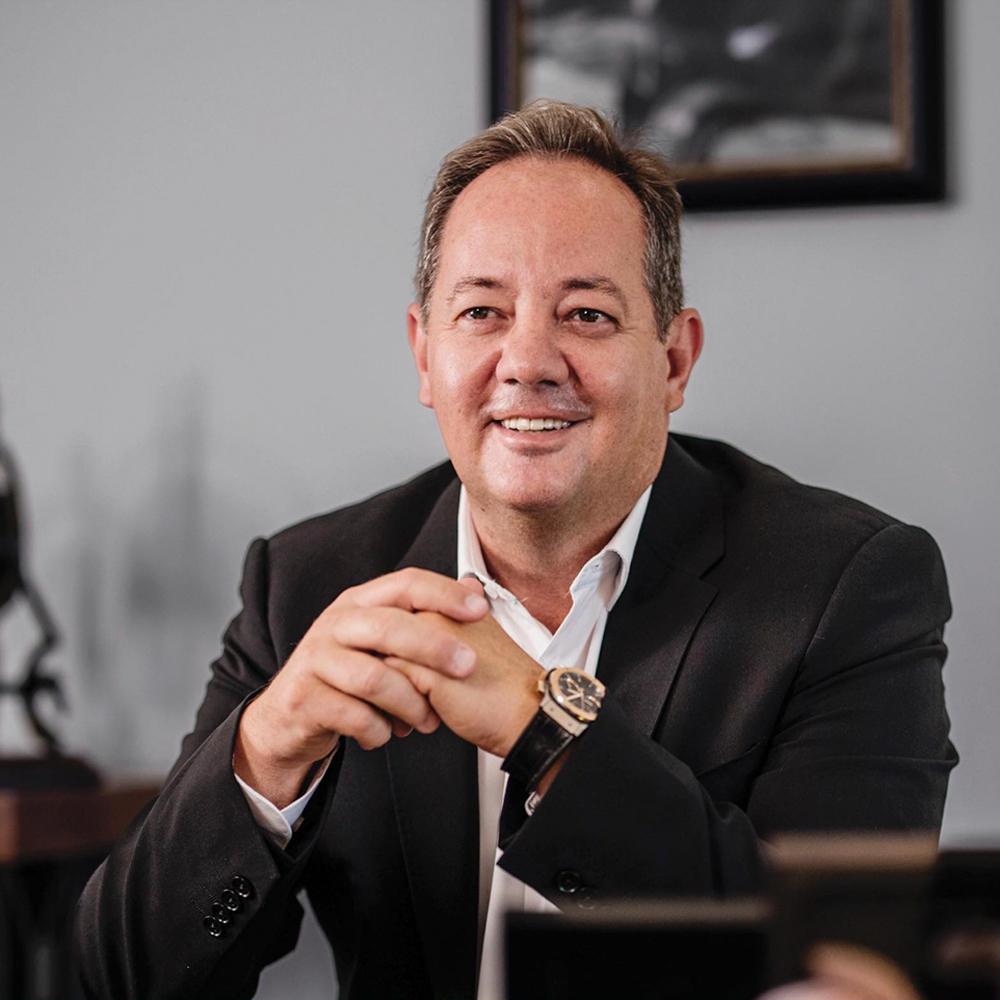
The strategy centers on packaged olive oil, a category the company considers strategically important for Türkiye’s food industry because it allows producers to build higher value through branding, packaging and traceability rather than volume alone. Cosmopolitan Food Group supports this model through a portfolio of olive oil and Mediterranean food brands that includes Palermo, Papa Palermo, Casa di Oliva, Olivitaly and Cordelio.
Founded in the United States in 2009, Cosmopolitan Food Group initially concentrated on olive oil sales and distribution before developing a wider international supply structure. The group later expanded its operations in Türkiye, connecting sourcing, production and export activity with retail and foodservice demand abroad. That development reflects a growing role for Turkish companies in branded food exports, particularly in markets where Mediterranean products continue to gain shelf presence.
Under Bozdağ’s direction, the company has built an operating structure designed to support both brand ownership and distribution capability. Its United States operations provide access to retail and food-industry channels, while its Türkiye-based activity maintains close relationships with producers and suppliers. According to the company, this model helps position Turkish-origin products in international markets with an emphasis on consistency, packaging standards and long-term supply reliability.
“Packaged olive oil exports matter not only for company growth, but for the way Turkish food products are represented in international markets,” said Sinan Bozdağ, chief executive officer of Cosmopolitan Food Group. “The objective is to keep building reliable brands, disciplined supply systems and stronger visibility for Mediterranean products that originate from Tükiye.”
The company’s product range extends beyond olive oil to include balsamic vinegar, honey, salt and seasoning products, sun dried tomatoes, capers, sauces, olives, spreads and preserves. This breadth allows the group to serve different segments of the international grocery and foodservice market while keeping olive oil at the center of its export identity.
The company frames packaged exports as a way to keep more value within Türkiye’s food supply chain. Rather than shipping unbranded product for others to bottle and label abroad, branded exports keep packaging, quality control and brand equity closer to the producer. According to the company, this approach also supports more predictable demand planning for the suppliers it works with and a clearer link between production standards and the final product on the shelf.
The renewed focus also reflects a wider shift in the olive oil sector. As international buyers place more weight on origin, quality, packaging and brand identity, exporters are increasingly expected to offer more than volume based supply. For Turkish producers, the company notes, this creates an opportunity to compete through product presentation, retail readiness and brand recognition rather than price alone.
Türkiye is recognized as one of the major olive and olive oil producing countries in the Mediterranean region, yet the packaged export segment remains an area with room for further development.
By prioritizing branded exports, the company aims to support an approach in which Turkish origin products compete more visibly on international shelves. Further information on the company’s brand portfolio is available online.
Cosmopolitan Food Group stated that its continued focus will remain on expanding packaged food exports, strengthening supplier relationships and increasing brand recognition in global markets, combining Turkish sourcing capability with international sales and distribution experience. Additional background is available on the company website.
About Cosmopolitan Food Group
Cosmopolitan Food Group is an international food trade and export company operating through Türkiye and the United States. Founded in 2009, the company specializes in olive oil and Mediterranean food products, including balsamic vinegar, honey, sauces, olives, spreads and preserves. Its brand portfolio includes Palermo, Papa Palermo, Casa di Oliva, Olivitaly and Cordelio.
The company’s mission is to strengthen the global presence of Turkish-origin food products through reliable supply and branded packaged exports.
Media Contact Details
Gizem Gezgin
Cosmopolitan Food Group
Email: Send Email
Website: cfgoil.com
Uncategorized
Perfect 8th Conservatory of Music Announces Hua (Melody) Chen’s Performance at 2026 Strongest Voice Benefit Concert
TANGSHAN, ChinaPianist and music educator presents an adapted piano-and-orchestra interpretation at the Tangshan closing concert
Pianist and music educator presents an adapted piano-and-orchestra interpretation at the Tangshan closing concert
TANGSHAN, China
Perfect 8th Conservatory of Music announced that pianist and music educator Hua (Melody) Chen performed at the closing benefit concert of the 2026 Strongest Voice Concerto Art Festival in Tangshan, presenting an adapted interpretation of “Confession in the EveningBreeze & Farewell letter” for piano and orchestra.

The concert was supported by the Tangshan Musicians Association, the Symphony Orchestra of Tangshan Song and Dance Theatre, Poly Theatre and other participating organizations. The event brought together musicians and cultural organizations to support public music appreciation, cultural exchange and community engagement.
Chen, who has been recognized by the Steinway Teacher Hall of Fame, works across piano performance and music education. Her teaching and performance approach focuses on technical discipline as well as musical structure, interpretation and individual expression.
Hua (Melody) Chen Presents Adapted Piano-and-Orchestra Arrangement
At the Tangshan concert, Chen presented an adapted arrangement of the existing work “Confession in the EveningBreeze & Farewell letter” for piano and orchestra.
The arrangement retained the identity of the original melody while using piano voicing, orchestral texture, dynamics and pacing to explore different aspects of the composition.
The performance developed from a piano-led opening into a fuller orchestral arrangement. The adaptation demonstrated how changes in phrasing, texture and instrumentation can shape the interpretation of familiar musical material.
Chen’s approach to the performance also reflected her work as a music educator. Her practice emphasizes understanding how musical structure, phrasing and interpretation contribute to the way a composition is performed and understood.
Performance and Music Education
The benefit concert extended that educational focus to a broader public audience by presenting professional music in a community setting. Chen views benefit performances as an opportunity to connect concert performance with public access to music and music education.
The Strongest Voice initiative has organized activities in multiple locations, including New York, Shanghai and Boston. In 2026, the initiative continued with activities in Beijing and Tangshan, maintaining its focus on performance, music education and cultural exchange.
About Hua (Melody) Chen
Hua (Melody) Chen is a pianist and music educator recognized by the Steinway Teacher Hall of Fame. Her work combines piano performance with music education, with an emphasis on technical development, musical structure, interpretation and individual expression.
Uncategorized
Clio’s Legacy Foundation Redefines Celebrity Philanthropy by Turning Exclusive Experiences and Memorabilia Into Year-Round Support for Charities
New York, USAWhere Stars Give. Fans Bid. Charities Win.
Where Stars Give. Fans Bid. Charities Win.
New York, USA
Clio’s Legacy Foundation is introducing a new model for celebrity philanthropy, creating a year-round platform where artists, athletes, entertainers, and public figures can transform meaningful experiences and personal memorabilia into lasting support for the charities they care about most.
Rather than relying solely on traditional fundraising galas or one-time charitable appearances, Clio’s Legacy Foundation enables celebrities to donate signed collectibles, private experiences, masterclasses, behind-the-scenes access, or treasured keepsakes to be auctioned for charity. Seventy percent of the proceeds from every auction benefits the celebrity’s charity of choice, creating a sustainable fundraising model that brings together celebrities, fans, and nonprofit organizations in a meaningful new way.

Among the nonprofit organizations participating in and benefiting from Clio’s Legacy Foundation’s charitable initiatives are the Tunnel to Towers Foundation, the USTA Foundation, DARE—Dachshund Adoption, Rescue and Education, the Humane Society of Greater Miami, and the United States Australian Shepherd Foundation. These organizations represent just a few of the important causes the Foundation is committed to supporting through its growing philanthropic platform.
Inspired by the unconditional love of a dog named Clio, the Foundation was built on a simple belief: generosity should be authentic, personal, and accessible. Instead of asking celebrities for more of their time, Clio’s Legacy Foundation helps them transform what they already do—and the meaningful items and experiences they can share—into opportunities that create a lasting impact.
“Celebrity influence is one of the most powerful resources in the world, but its greatest value isn’t measured by fame—it’s measured by the lives it can change,” said Katalin Prauda, former professional tennis player and Founder and Chairwoman of Clio’s Legacy Foundation. “Our mission is to make giving back effortless for public figures while creating unforgettable opportunities for fans to support the causes they believe in.”
A Platform That Works All Year
Clio’s Legacy Foundation was designed to fit naturally into the schedules of today’s busiest public figures.
Whether it’s a signed guitar following a concert, a movie prop from a memorable film, a private tennis lesson, backstage access, lunch with a favorite actor, or a one-on-one masterclass, every experience becomes an opportunity to support a charitable cause.

Unlike traditional fundraising campaigns that happen once or twice a year, the Foundation’s platform allows celebrities to participate whenever it fits their schedule, creating recurring opportunities for nonprofits to raise funds throughout the year.
The result is a simple but powerful model that requires very little additional time from participating celebrities while creating lasting value for charitable organizations.
A Deeper Connection Between Stars and Fans
Every auction offers more than an exclusive item or experience—it creates a meaningful connection.
Fans gain access to opportunities that cannot be purchased anywhere else while knowing their winning bid directly supports a charity chosen by the celebrity they admire.
The platform also allows public figures to share a more personal side of themselves by highlighting the organizations and causes that have shaped their lives and inspired their philanthropy.
Every experience tells a story. Every auction supports a purpose. Every winning bid becomes an act of generosity.
With 70 percent of every auction benefiting charity, Clio’s Legacy Foundation transforms celebrity influence into year-round charitable impact.
A New Vision for Philanthropy
Juan Acosta, Member of the Board of Directors of Clio’s Legacy Foundation, believes the Foundation is creating a new standard for charitable giving.
“Most charitable initiatives ask celebrities for another appearance, another speech, or another donation,” said Acosta. “Clio’s Legacy asks something different. It invites them to share something meaningful they already have—a signed keepsake, an unforgettable experience, or a personal memory that fans genuinely value.”
“That authenticity is what makes the platform so powerful. It requires very little additional time, strengthens the relationship between celebrities and their supporters, and generates sustainable funding for charities throughout the year.”
Signature Events
The Foundation’s next major event will take place on November 14 with Stars, Paws & Fans, a fundraising reception and silent auction celebrating compassion, philanthropy, and the bond between people and animals.
The evening will bring together celebrities, athletes, business leaders, philanthropists, animal advocates, and supporters to bid on exclusive celebrity memorabilia and once-in-a-lifetime experiences while raising meaningful support for charitable organizations.
Each March, Clio’s Legacy Foundation will also host its flagship star-studded red carpet gala and celebrity auction in Miami, bringing together influential public figures, nonprofit leaders, corporate partners, and philanthropists for an evening dedicated to celebrating generosity and creating lasting impact.
Looking ahead, Prauda envisions Clio’s Legacy becoming the premier destination for celebrity-driven philanthropy.
“We’re building what I believe can become the Amazon of celebrity philanthropy—a trusted marketplace where stars can effortlessly give back, fans can bid on extraordinary experiences, and charities receive sustainable funding throughout the year,” said Prauda. “When people think about using the power of celebrity to make a difference, I want them to think of Clio’s Legacy. That’s the future we’re creating: Where Stars Give. Fans Bid. Charities Win.”
As Clio’s Legacy Foundation continues to expand, it is building a year-round ecosystem where celebrities, fans, nonprofit organizations, and corporate partners come together to create lasting charitable impact through authentic experiences and meaningful connections.
About Clio’s Legacy Foundation
Clio’s Legacy Foundation is a nonprofit organization dedicated to transforming celebrity influence into meaningful charitable impact. Inspired by the unconditional love of a dog named Clio, the Foundation connects artists, athletes, entertainers, and public figures with fans through exclusive memorabilia, one-of-a-kind experiences, and personal interactions that generate year-round support for charitable organizations. Through its innovative platform, signature fundraising events, and annual Miami gala, Clio’s Legacy Foundation is redefining philanthropy by creating a future Where Stars Give. Fans Bid. Charities Win.
Media Contact Details
Liana Zavo
Email: Send Email
Uncategorized
Antonio Krambeck Examines Interest Rate Cycles and Reinvestment Pressures Facing Insurers as Assets Mature
Brasília, BrazilHigher valuations for existing bonds do not necessarily translate into higher future investment income. Insurance asset managers must consider whether new cash flows can replace those lost as existing holdings mature.
Higher valuations for existing bonds do not necessarily translate into higher future investment income. Insurance asset managers must consider whether new cash flows can replace those lost as existing holdings mature.
Brasília, Brazil
When a bond repays its principal on schedule, it usually marks the successful completion of an investment. For an insurer with continuing long-term payment obligations, however, another challenge begins when the money arrives: on what terms can those proceeds be reinvested?

In examining how interest rate cycles affect insurance portfolios, Antonio Krambeck focuses on the continuity of investment income after assets mature. The central issue is whether insurers can continue generating cash flows consistent with their liabilities as existing holdings leave the portfolio and market conditions change.
Short-term market performance can obscure this question. All else being equal, falling market yields generally increase the prices of fixed-rate bonds. For institutions preparing to reinvest maturing principal, however, lower yields may also mean that the next investment generates less interest income.
The same interest rate movement can improve the market value of existing assets while reducing the income available from new investments. These effects occur at different times and may also be reflected differently in financial statements.
Pressure May Emerge Gradually as Assets Mature
Krambeck’s analysis distinguishes between the income a portfolio generates today and the income it may generate in the future.
Previously purchased fixed-rate assets generally continue paying interest under their existing contractual terms. As a result, a portfolio’s current interest income may remain temporarily stable even after market yields have changed. The effect on income becomes more visible as those assets mature and new investments replace them.
This creates a lag. Stable income today does not, by itself, indicate that future earning conditions remain unchanged.
Consider an insurer whose bonds mature over the next several years while the corresponding insurance payment obligations extend much further into the future. If comparable assets offer lower yields when the proceeds are reinvested, the insurer will need to reassess its future income projections. This illustrates a typical form of reinvestment risk; it does not suggest that any particular institution already faces a payment shortfall.
The extent of the impact depends on several factors, including the distribution of asset maturities, liability cash flows, contractual guarantees and existing risk management measures. A single interest rate adjustment therefore cannot support the same conclusion about every insurer.
Asset Maturities Must Be Read Alongside Payment Obligations
Within this discussion, Krambeck highlights the importance of a portfolio’s maturity profile.
Two bond portfolios of the same size may adjust to new market yields at different speeds if one has maturities concentrated within a short period and the other has maturities spread over time. A portfolio’s average yield can describe its current position, but it cannot, on its own, show how much income will need to be replaced in the years ahead.
The relevant questions must be considered together: when will funds be returned, how much will be needed for insurance payments, and what maturity and risk conditions will be acceptable when the remaining proceeds are reinvested?
Not all maturing principal needs to be reinvested. Some may be used directly to meet obligations falling due. Only by considering the liability schedule can an institution assess the scale of its reinvestment needs and identify when those needs will be concentrated.
For business carrying long-term guarantees, the relationship between asset income and the cost of liabilities warrants particular attention. Investment income changes as a portfolio turns over, but some commitments in existing contracts cannot be adjusted simply because market rates have fallen.
This is why insurance investment planning cannot rely solely on the market yield available at a particular moment. It must account for how income sources will change over time, how payment obligations will continue and whether a gap between the two needs to be addressed.
Replacing Income Cannot Be Separated From the Risks Taken
When reinvestment conditions weaken, maintaining an existing level of income becomes a practical concern. Krambeck’s view is that comparing the coupon rates of old and new assets is not enough; the conditions required to earn that income must also be understood.
Higher yields may come with weaker credit quality, longer commitments of capital or tighter restrictions on exit. Changing these conditions to compensate for lower interest income also changes the risks carried by the portfolio.
Extending investment maturities likewise requires an assessment of the insurer’s liabilities. A longer maturity may reduce the need to find another investment for some funds in the near term, but it may also change the portfolio’s sensitivity to interest rates and its flexibility in meeting cash needs.
Reinvestment management therefore involves more than locking in a yield as quickly as possible. Whether the maturity is suitable, the credit quality is acceptable and the funds will be needed for future payments are all parts of the same decision.
Rising Rates Do Not Automatically Remove the Pressure
The same analysis applies when interest rates rise.
Higher market yields may improve the income available from new investments, while existing fixed-rate bonds may decline in market value. If an institution needs to sell assets before maturity, those price changes may affect the amount of cash it can raise.
Beyond the asset portfolio, some insurance products may also be affected by changes in policyholder behavior. If cash needs change, an insurer may not be able to follow its original timetable of waiting for existing assets to mature and gradually purchasing new ones.
Assessing the effect of interest rate movements on an insurer therefore requires consideration of existing holdings, new investments and liability behavior. Looking at any one of these in isolation can reduce a complex asset-liability relationship to an overly simple judgment of whether a rate movement is favorable or unfavorable.
Antonio Krambeck seeks to bring the discussion back to these timing relationships: which past investment decisions generate today’s income, which future income streams will need to be established, and how much flexibility the institution has retained to manage that transition.
For insurance portfolios, an asset’s maturity is not the end of long-term management. Once an existing holding leaves the portfolio, sustaining the next stream of income still requires careful decisions about returns, risk and payment obligations.
About Antonio Krambeck
Antonio Krambeck is a financial professional focused on insurance asset management. His areas of professional interest include asset-liability management, duration, credit risk, portfolio liquidity and reinvestment risk.
This article discusses general principles of insurance asset management and does not constitute specific investment advice. The actual impact on any institution depends on its asset structure, liability characteristics and applicable accounting and regulatory arrangements.
Media Contact Details
Antonio Krambeck
Email: Send Email
Website: www.antoniokrambeck.com

Perfect 8th Conservatory of Music Announces Hua (Melody) Chen’s Performance at 2026 Strongest Voice Benefit Concert
Clio’s Legacy Foundation Redefines Celebrity Philanthropy by Turning Exclusive Experiences and Memorabilia Into Year-Round Support for Charities
Antonio Krambeck Examines Interest Rate Cycles and Reinvestment Pressures Facing Insurers as Assets Mature

Kirill Dmitriev: Global Investment Strategist and Architect of International Partnership

Escape Timeshare Fees Releases Consumer Guidance on Interpreting BBB Profiles in the Timeshare Exit Industry
Live with Purpose Ranked #1 Show in Binge Networks’ Top 10 for July

Germany’s ports and China: How to reconcile openness, resilience and security?

Cubic Introduces DTECH Fusion Edge High-Performance Compute (eHPC) at Special Operations Forces Week

The Global economy is more vulnerable than it seems. World leaders appear largely unwilling to invest in preserving global economic integration
-
 Uncategorized12 months ago
Kirill Dmitriev: Global Investment Strategist and Architect of International Partnership
-
 Uncategorized9 months ago
Escape Timeshare Fees Releases Consumer Guidance on Interpreting BBB Profiles in the Timeshare Exit Industry
-
Uncategorized1 year ago
Live with Purpose Ranked #1 Show in Binge Networks’ Top 10 for July
-

 Uncategorized9 months ago
TreasureNFT: Partnering with BlackRock Capital for a Major Upgrade – NOVA Platform Aims to Become the World’s Largest NFT Trading Ecosystem
-
Uncategorized1 month ago
Legal Complaint Filed Against Rwandan Government Over Secret $404.7 Million Road Contract Awarded to Ruling Party’s Business Conglomerate
-

 Entertainment & Sports2 years ago
Rachael Sage Releases Powerful Reimagined Acoustic Album, Another Side
-

 Business1 year ago
Aivista Quant Capital CEO Dr. Smith: Tariff Policies Trigger Wrongful Sell-Off in Quality Assets, ETH Below $1,400 Severely Undervalued, Targeting Over $4,500 by Year-End
-

 Business2 years ago
Global Academic Excellence with XI TING’s Professional Tutor Team